Soil Texture Seamless Pattern: A Natural Design Element
Designers and creators often seek ways to infuse authenticity into their work, and nature provides some of the most compelling textures available. The Soil Texture Seamless Pattern is one such resource that brings the raw beauty of earthy surfaces into digital and print projects. Whether you're working on a personal craft or a professional design, these patterns can add depth, character, and a sense of realism that's hard to achieve with synthetic elements.
What Is a Soil Texture Seamless Pattern?
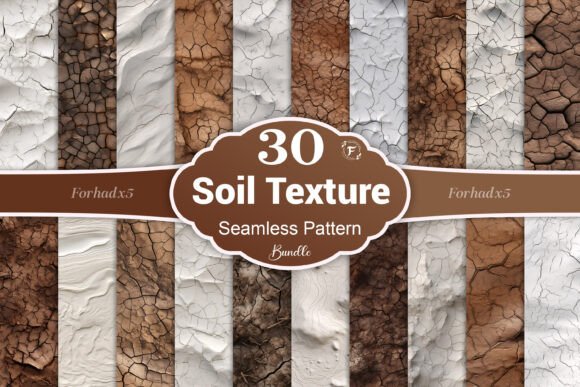
A soil texture seamless pattern is a high-resolution digital image designed to repeat seamlessly without visible seams or distortions. It captures the natural grain, cracks, and variations found in soil, making it ideal for backgrounds, overlays, or textural accents. These patterns are typically provided in formats like JPG and are optimized for clarity and usability across various applications.
Key Features of the Bundle
- High Resolution: Each pattern is crafted at 3600×3600 pixels, ensuring sharpness and detail even when scaled up.
- Seamless Repetition: Designed to tile effortlessly, allowing for versatile use without interruption or distortion.
- RGB Color Compatibility: Perfectly suited for digital screens and print projects alike.
- 30 Unique Files: The bundle includes a variety of soil textures, from sandy dunes to muddy terrains, offering broad creative possibilities.
Why Use Soil Texture Patterns in Your Projects?
Incorporating realistic textures into your designs can make all the difference in how they’re perceived. A soil texture adds an organic feel that enhances visual storytelling and makes digital mockups more convincing. For professionals in graphic design, fashion, or product development, using these patterns can streamline the process of creating naturalistic visuals while maintaining a polished aesthetic.
Real-World Applications
These patterns are incredibly versatile and can be used in a wide range of contexts:
- Crafting: Ideal for printable designs in scrapbooking, journaling, and DIY crafts. They give tactile-like qualities to paper-based projects.
- Home Decor: Apply them as wall art, canvas prints, or wallpaper mockups to create cozy, grounded spaces.
- Digital Art: Use them as photo overlays or background layers in digital collages to add dimension and interest.
- Product Design: Enhance packaging, stationery, or book covers with subtle, earthy textures that evoke connection and authenticity.
- Print Projects: Incorporate them into posters, flyers, business cards, and brochures for a unique, nature-inspired touch.
- Fashion: Mockups for fabric prints or clothing designs benefit from the realistic look of soil textures.
- Social Media: Use them as visually engaging backgrounds for Instagram posts, stories, or Pinterest boards to stand out in a crowded feed.
- Graphic Design: From web backgrounds to app interfaces, soil textures help build immersive environments.
Who Can Benefit from Using These Patterns?
Anyone who wants to incorporate natural elements into their designs can find value in the Soil Texture Seamless Pattern Bundle. This includes general consumers looking to personalize home decor, hobbyists experimenting with digital art, and professionals in industries such as marketing, publishing, or fashion. Business owners might also leverage these textures to create branding materials that reflect sustainability, agriculture, or outdoor themes.
Strengths and Practical Benefits
The primary strength of these patterns lies in their realism and adaptability. Unlike generic textures, soil patterns offer a rich variation that mimics real-world conditions. Here’s what makes them especially useful:
- Time-Saving: Ready-to-use files eliminate the need for tedious editing or custom texture creation.
- Consistency: The seamless format ensures uniformity across repeated sections, which is crucial for large-scale designs.
- Professional Quality: High resolution and clean tiling support both digital and print mediums effectively.
- Cost-Effective: With 30 files included, the bundle offers great value for money, reducing the need for multiple purchases.
Considerations and Limitations
While the Soil Texture Seamless Pattern Bundle is a powerful tool, it's important to consider its limitations and ensure it aligns with your specific needs:
- Color Matching: Since the patterns come in RGB color modes, it's essential to verify compatibility with CMYK-based print projects.
- Layering Techniques: To avoid overwhelming a design, these textures should be layered appropriately—often subtly in the background or as a secondary element.
- Use Case Specificity: While suitable for many projects, certain designs may require additional customization or blending to fit the overall theme.
- Storage Requirements: Given the high resolution of each file, storage space should be considered, especially if downloading the entire bundle.
Evaluating Suitability for Your Project
To determine whether a soil texture seamless pattern is right for your project, ask yourself a few key questions:
- Does the design call for a natural, earthy feel?
- Will the pattern be used digitally or in print? Check the resolution requirements accordingly.
- Do I need a background texture that won’t distract but will enhance the overall composition?
- Am I working within a timeframe where ready-made assets would be beneficial?
Answering "yes" to any of these indicates that this bundle could be a valuable addition to your toolkit.
Examples of Creative Uses
Here are a few practical examples of how users have applied soil texture seamless patterns:
- Instagram Story Backgrounds: A travel blogger uses a desert sand texture to highlight photos of a recent trip, adding a thematic layer that ties the content together.
- Book Covers: An author designing a novel set in rural America chooses a loamy soil texture to ground the cover in the story’s setting.
- Stationery Designs: A wedding planner incorporates a soft clay texture into invitations to give them a rustic, handmade appearance.
- App Interfaces: A mobile developer uses a muted dirt texture in a gardening app to create a cohesive and immersive user experience.
- Wall Art: A homeowner blends a forest floor texture with abstract shapes to create a nature-themed living room accent.
Getting Started with the Bundle
If you're new to using texture bundles, here’s a quick guide to help you begin:
- Download the Bundle: Ensure you have the correct file format (JPG) and sufficient storage space.
- Open in Your Preferred Software: Adobe Photoshop, Illustrator, or even free tools like GIMP or Krita work well for editing and applying textures.
- Experiment with Layers: Adjust opacity, blend modes, and scale to see how the soil texture complements your design elements.
- Test Across Devices: If using for digital platforms, preview the texture on different screen sizes to maintain quality and consistency.
Enhancing Authenticity and Depth
One of the most significant advantages of using soil textures is their ability to add depth and realism to otherwise flat designs. In photography overlays, for instance, a subtle soil texture can give images a weathered, aged look. In web design, it can serve as a background that supports minimalist layouts without drawing attention away from the content.
Moreover, these textures can help differentiate your work from others in competitive markets. Whether you're a small business owner designing eco-friendly packaging or a freelance artist working on a nature-themed poster, the inclusion of authentic textures can elevate your output and resonate more deeply with your audience.
Combining Textures for Greater Impact
For those who want to push their creativity further, combining soil textures with other natural elements—like leaf patterns, stone textures, or watercolor brushes—can lead to stunning results. Try layering a dry earth texture over a hand-drawn sketch for a vintage look, or blend a wet mud texture with a faded photograph to create a dramatic contrast.
Where to Find the Best Soil Texture Bundles
There are many resources online that provide high-quality soil texture seamless patterns. When choosing a bundle, look for features like variety, resolution, and ease of use. Some platforms allow you to preview the patterns before purchasing, so take advantage of that to ensure they meet your expectations. Always check licensing details to confirm usage rights, especially for commercial projects.
Tips for Selecting the Right Texture
Not every soil texture will suit every project. Consider the following when selecting a pattern:
- Theme Relevance: Choose a texture that aligns with the subject matter or mood of your design.
- Contrast Level: Avoid textures that clash too harshly with the foreground elements unless intentional.
- Scale Appropriateness: Ensure the texture size matches the scale of your project to prevent it from appearing too busy or too sparse.
- Lighting and Color Tone: Opt for textures that match the lighting and color scheme of your design for a cohesive result.
Conclusion
The Soil Texture Seamless Pattern Bundle is more than just a collection of images—it's a gateway to incorporating the essence of the earth into your creative endeavors. Whether you're a seasoned designer or a casual creator, understanding how to use these textures effectively can expand your design capabilities and help you produce more engaging, authentic work. By exploring the different ways to apply them and considering the best practices for integration, you can unlock new levels of creativity and bring your projects to life with the richness of natural textures.