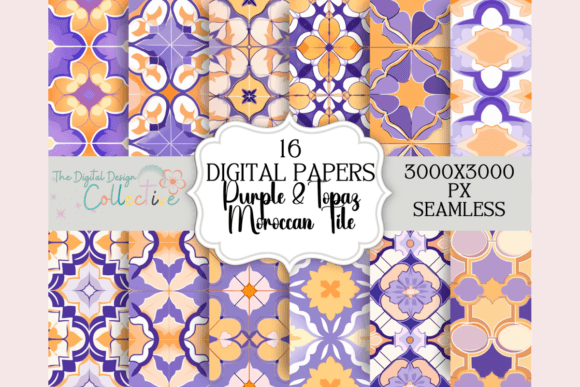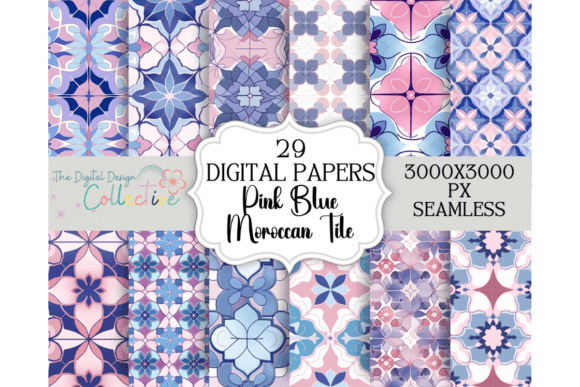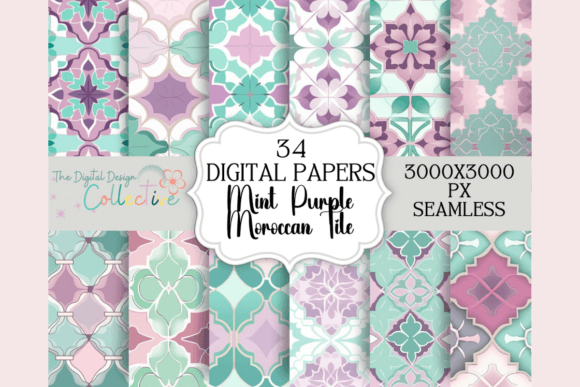
Seamless Mint Purple Moroccan Tile
The intersection of geometric precision and vibrant color palettes has long been a cornerstone of interior design and digital artistry. Among the myriad patterns available to designers, decorators, and crafters, Seamless Mint Purple Moroccan Tile stands out as a distinctive choice that bridges traditional craftsmanship with contemporary aesthetics. This specific pattern combines the intricate, lattice-like structures characteristic of Moroccan zellige or tile work with a refreshing, modern color scheme of mint green and deep purple. For professionals and hobbyists alike, understanding the nuances of this design element is crucial for determining its suitability for various projects, from large-scale architectural applications to small-scale digital graphics.
Understanding the Design Aesthetic
Moroccan tile designs are historically rooted in North African culture, known for their complex geometry, symmetry, and spiritual symbolism. The "Moroccan" aspect of this pattern typically refers to star-based polygons, interlocking lines, and repetitive motifs that create a sense of infinite continuity. When applied digitally as a seamless pattern, these elements are arranged so that the edges align perfectly, allowing the design to repeat without visible breaks. This makes it highly versatile for tiling backgrounds, textures, and surface coverings.
The color palette of mint and purple introduces a unique psychological and visual dynamic. Mint green is often associated with freshness, calmness, and renewal, while purple conveys luxury, creativity, and wisdom. Together, they create a complementary contrast that is neither overly aggressive nor too muted. This balance makes the pattern adaptable to both bold, statement-making environments and more subdued, elegant settings. Unlike traditional earth-toned Moroccan tiles found in historical sites, the mint and purple variation offers a fresh, modern twist that appeals to contemporary design trends.
Applications and Use Cases
The versatility of a high-resolution, digital version of this pattern allows it to be utilized across a broad spectrum of creative endeavors. Below are key areas where this design excels:
- Digital Scrapbooking and Layouts: For those preserving memories, the intricate details of the tile provide a sophisticated background that does not overpower photographs. It adds texture and depth to digital albums, making layouts visually engaging without distracting from the primary subject.
- Web and Blog Design: In web development, seamless patterns are essential for creating full-width backgrounds or section dividers. The mint purple combination can infuse an online presence with seasonal style or a brand identity that feels both creative and trustworthy.
- Print Media and Stationery: From business cards to wedding invitations, the pattern lends an air of exclusivity. Custom stationery featuring this tile work can elevate the perceived value of correspondence, making first impressions memorable.
- Product Packaging and Tags: Brands seeking to differentiate themselves on retail shelves can use this pattern for wrapping paper, gift tags, or product boxes. The distinct colors help products stand out while maintaining a cohesive, artistic look.
- Physical Crafts and Decor: Beyond digital uses, these patterns are ideal for decoupage projects, such as decorating furniture or frames. They are also suitable for planner stickers, journal covers, and handmade crafts like jewelry design, where small-scale repetition highlights the geometric beauty.
Evaluating Benefits and Tradeoffs
When considering the integration of Seamless Mint Purple Moroccan Tile into a project, it is important to weigh the benefits against potential limitations.
Benefits
Versatility: As a digital asset, the pattern can be scaled infinitely without loss of quality, provided it is a vector or high-resolution raster image. This allows for use in everything from mobile app icons to billboard-sized prints.
Aesthetic Appeal: The color combination is currently trending in modern interior and graphic design, offering a way to incorporate heritage-inspired motifs with a fresh palette.
Cost-Effectiveness: Compared to installing actual ceramic zellige tiles, which requires skilled labor and significant material costs, a digital pattern provides the visual effect at a fraction of the price, suitable for temporary installations or non-structural applications.
Tradeoffs and Considerations
Color Accuracy: Digital screens render colors differently than physical print media. The mint and purple hues may appear brighter on-screen than in print. Users must ensure proper color calibration (CMYK vs. RGB) to avoid discrepancies between the digital preview and the final product.
Complexity Management: While intricate, overly busy patterns can cause visual fatigue if used as dominant backgrounds. Designers must carefully manage whitespace and typography legibility when layering text over the tile design.
Style Compatibility: This pattern has a strong personality. It may clash with minimalist, industrial, or strictly monochromatic design schemes. It works best in spaces or projects that embrace eclectic, bohemian, or vibrant modern styles.
Decision-Making Insights
To determine if Seamless Mint Purple Moroccan Tile is the right choice for your specific needs, consider the following questions:
- What is the context of use? If you are designing a wedding invitation suite or a boutique hotel lobby, the pattern’s elegance and uniqueness are assets. If you are creating a corporate dashboard for financial data, the pattern may be too distracting.
- Who is the target audience? Younger demographics and design-conscious consumers often appreciate the blend of tradition and modern color. Older or more conservative audiences might prefer neutral tones.
- Do you need physical or digital application? If you require physical tiles, sourcing authentic mint and purple ceramic pieces may be difficult and expensive. In such cases, using the digital pattern for wallpaper, decals, or painted finishes might be a more practical alternative.
Alternatives to Consider
If the specific mint and purple combination does not align with your brand or aesthetic goals, there are several alternatives worth exploring:
- Neutral Moroccan Tiles: Traditional beige, white, or blue-and-white variations offer the same geometric complexity but with greater neutrality, fitting seamlessly into any color scheme.
- Solid Color Textures: If the geometric complexity is too much, solid pastel shades of mint or purple can provide the desired mood without the visual noise of the pattern.
- Other Geometric Patterns: Hexagonal honeycombs or simple arabesque curves might offer a similar structural interest with different cultural connotations or visual weight.
Conclusion
Seamless Mint Purple Moroccan Tile represents a compelling fusion of cultural heritage and modern color theory. Its ability to adapt across digital and physical mediums makes it a valuable asset for designers, marketers, and creatives. By understanding its aesthetic impact, practical applications, and potential limitations, users can make informed decisions that enhance their projects. Whether used for a subtle background texture or a bold focal point, this pattern offers a sophisticated way to bring visual interest and character to any creative endeavor.