Mastering the Grunge Seamless Pattern for Versatile Design Projects
If you have ever scrolled through a design portfolio or browsed a digital asset marketplace, you have likely encountered textures that feel raw, tactile, and undeniably authentic. This is where the Grunge Seamless Pattern comes into play. It is not just a visual effect; it is a foundational element that adds depth, character, and a sense of history to flat digital spaces. For creators, entrepreneurs, and hobbyists alike, understanding how to leverage this specific texture can elevate simple designs into compelling visual stories.
The core appeal of a grunge aesthetic lies in its imperfection. In a world dominated by polished, minimalist corporate branding, grunge offers a counter-narrative. It speaks to authenticity, rebellion, nostalgia, and artistic expression. Whether you are designing a sticker pack for your planner, crafting a wedding invitation with an edgy twist, or building a brand identity for a streetwear label, knowing how to apply these textures correctly is a crucial skill. The following guide explores what makes these patterns effective, who benefits from them, and how to use them without overwhelming your primary content.
Understanding the Technical Foundation
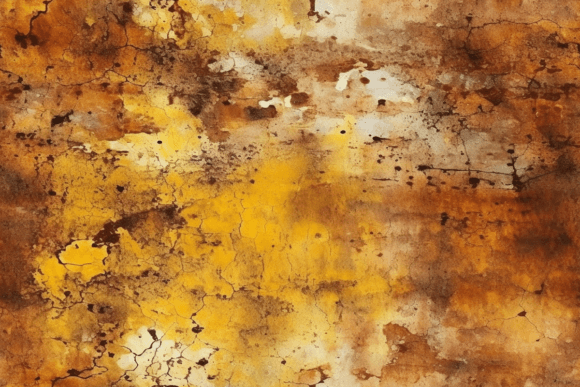
Before diving into creative applications, it is helpful to understand exactly what you are working with. A high-quality Grunge Seamless Pattern is designed to repeat infinitely without visible seams, allowing it to cover large areas like backgrounds or fabric prints seamlessly. The specific asset described here includes 1 digital paper sized at 1200 × 800 pixels in PNG format at 300 dpi. While 1200 pixels might seem modest for large-scale billboards, it is more than sufficient for web graphics, social media posts, print-on-demand products, and standard document layouts.
The 300 dpi resolution is particularly important for those moving between digital and physical mediums. If you plan to print your designs—whether on business cards, fabric, or scrapbook paper—this resolution ensures that the gritty details of the grunge texture remain sharp and do not pixelate. The PNG format preserves transparency if needed, though many grunge assets come as solid textured sheets that overlay other elements. Understanding these technical specs helps you choose the right tool for the job, ensuring your final output looks professional rather than accidental.
Creative Applications for Hobbyists and Artists
For scrapbookers, cardmakers, and craft enthusiasts, grunge textures are a goldmine for adding dimension. Traditional paper crafts can sometimes feel too clean or sterile. Overlaying a Grunge Background or using a seamless pattern as a base layer introduces immediate visual interest.
- Scrapbooking and Photo Albums: When documenting memories, you often want the focus to remain on the photos. A subtle grunge texture behind your images can frame them beautifully, creating a vintage or retro atmosphere without distracting from the subject. It mimics the look of aged paper or worn concrete, adding emotional weight to personal histories.
- Planner Stickers: Digital planners are huge right now, but physical planners still hold a special place for many. Creating custom stickers with grunge borders or backgrounds gives them a handmade, artisanal feel. Imagine a weekly layout with torn-edge stickers set against a dirty concrete texture—it feels curated and intentional.
- Collages and Mixed Media: If you enjoy digital collaging, a grunge pattern serves as an excellent underlayer. You can layer photographs, typography, and vector shapes over the texture to create a cohesive composition. The noise and grain in the pattern help disparate elements blend together, making the final piece look like a unified artwork rather than a collection of cutouts.
Professional Use Cases for Marketers and Entrepreneurs
In the professional sphere, design choices communicate brand values. A Grunge Texture is rarely used by luxury financial institutions or healthcare providers, but it is incredibly powerful for brands that want to project creativity, resilience, or urban cool.
Web Design and UI Elements: Web designers often struggle with making websites feel engaging. A full-screen hero section with a dark, moody grunge background can make white text pop significantly. However, caution is required. The texture should be subtle enough that it does not interfere with readability. Use it for accent sections, blog post headers, or promotional banners where you want to grab attention immediately. It works exceptionally well for portfolios, music bands, event promotions, and creative agencies.
Print Materials: Business cards and letterheads are usually the first touchpoint for potential clients. Using a standard white card can be forgettable. Incorporating a grunge pattern into the design—perhaps as a watermark or a border—adds a tactile quality that invites the recipient to hold and examine the card. For small business owners selling physical goods, such as candles, jewelry, or apparel, these patterns can be printed directly onto packaging materials, reinforcing a brand identity that is grounded and real.
Fabric Printing and Merchandise: The rise of print-on-demand services has made it easier than ever to test merchandise ideas. A grunge seamless pattern is ideal for t-shirts, tote bags, and phone cases. Because the pattern repeats seamlessly, it can be scaled to fit any garment size without awkward cuts. This versatility allows entrepreneurs to create collections that feel cohesive across different product types.
Educational and Lifestyle Integration
Education and lifestyle blogging are also sectors that benefit from varied visual aesthetics. Educators creating digital worksheets or interactive presentations can use grunge elements to break up monotony. For instance, a history lesson about the 1970s or punk rock era would naturally pair well with grunge visuals. It provides contextual reinforcement that pure text cannot achieve.
Similarly, lifestyle bloggers focusing on travel, urban exploration, or DIY home decor projects can use these textures to enhance their storytelling. A blog post about renovating a loft apartment could feature sidebars or quote blocks with a brick-wall grunge texture. This connects the reader visually to the topic, making the content more immersive. It transforms passive reading into an experience.
Best Practices and Considerations
While the versatility of a Grunge Seamless Pattern is undeniable, misuse can lead to cluttered or unprofessional results. Here are several practical tips to ensure your designs succeed:
- Contrast is Key: Grunge textures are inherently noisy. If you place complex text or busy images directly on top of a heavy texture, legibility will suffer. Always use overlays, drop shadows, or semi-transparent boxes to separate text from the background. Lighter grunge textures work best for dark text, while darker textures suit light typography.
- Balance the Aesthetic: Do not let the texture dominate the design. It should support the message, not steal the show. Think of it as seasoning in cooking—a little goes a long way. Overusing grunge elements can make a design feel dated or messy rather than stylish.
- Check Resolution Needs: Remember the 1200 × 800 pixel specification. If you need to print a large banner, you may need to upscale the image carefully or source a higher-resolution version. For screen-based work, this size is perfectly adequate. Always preview your design at 100% zoom to check for pixelation.
- Color Harmony: Grunge textures often come in black and white or sepia tones, but they can be tinted to match your color palette. Adjusting the hue and saturation of the texture can help it integrate better with your brand colors. Don’t be afraid to experiment with blending modes in your design software to achieve unique effects.
Conclusion
The Grunge Seamless Pattern is more than just a decorative file; it is a versatile tool that bridges the gap between digital precision and analog charm. From enhancing personal scrapbooks to defining bold brand identities for startups, its applications are limited only by your imagination. By understanding its technical properties and respecting the principles of balance and contrast, you can harness the power of grunge to create designs that resonate, engage, and endure. Whether you are a seasoned graphic designer or a hobbyist looking to add flair to your next project, incorporating these textures can provide the edge your work needs to stand out in a crowded digital landscape.